The land is only part of the island of Hispaniola, discovered by Christopher Columbus in 1492. The left third is the neighboring country Haiti. This makes Hispaniola one of two Caribbean islands with 2 countries. The other Caribbean island that unites two nations: St. Maarten (Netherlands) and St. Martin (France).
The DR, as it is often called in parlance, is the land of superlatives: the first settlement in the New World was built near Puerto Plata and was called La Isabela. The first cathedral is in Santo Domingo, the first monastery and the first university were also in the capital of the DR.
![]()
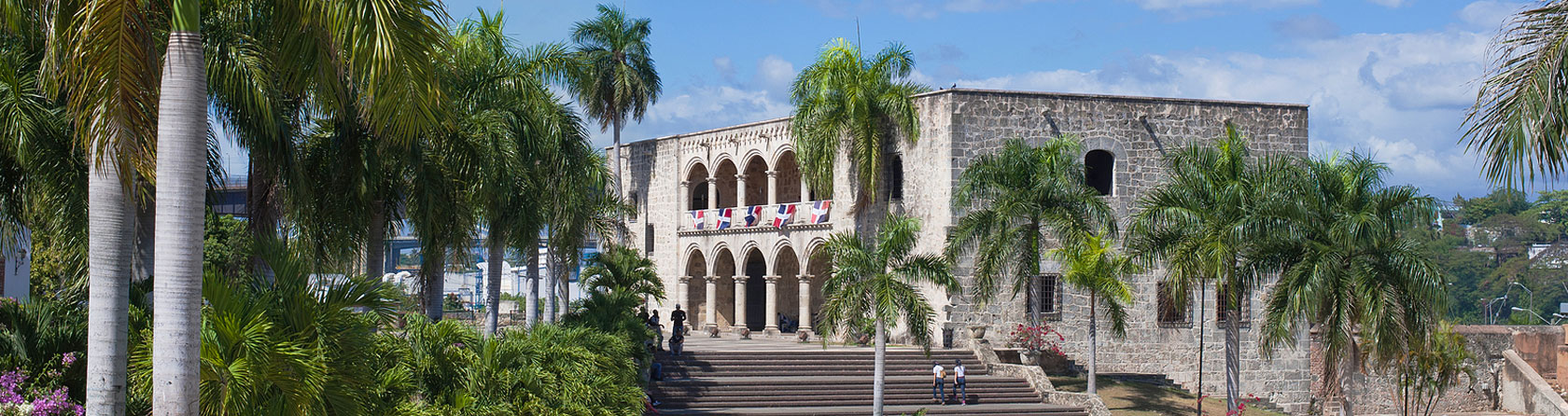
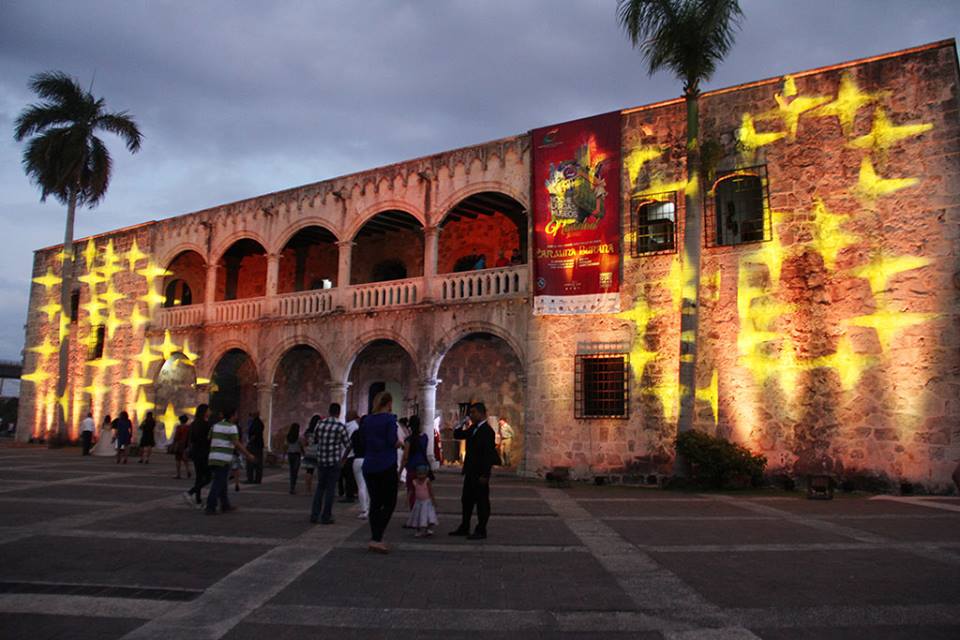
The first fortresses of North and South America were also built here and the colonial zone of Santo Domingo is a UNESCO World Heritage Site. Even today you can stroll on the first cobbled street in the New World, where the Spanish Viceroy once walked with her entourage, Calle Las Damas.
The Dominican Republic has a very good economy, thanks mainly to tourism, agriculture and exports. There is also very high income from mining, the island is very rich in mineral resources (gold, silver, copper, iron nickel, marble, larimar, amber, lime, even mineral oil sources have been proven, but no attempt has been made to mine the petroleum) .
The natives were called Tainos, who, in contrast to the Caribs, were a peaceful Indian settler people and lived on Quisqueya, as the Tainos called the island, since the 7th century. The indigenous people were exploited and enslaved by the Spanish conquistors. Since the proud Indians resisted slavery, they were exterminated in numerous armed conflicts with the Spaniards.
The Dominican Republic fought a total of 4 wars to achieve its current independence status. The Trinitarians, known as the folk heroes Sanchez, Mella and Duarte, are considered the country's forefathers.
The national language is Spanish, but the Dominicans have adopted many words from the indigenous people, many cities, regions and rivers still bear the names of the Taino language today. Apart from that, there are a lot of "Dominican" words and concepts that do not exist in the Spanish language.
More about "Dominican Spanish"
![]()
The country is a popular place in the cinema world. With the help of state tax breaks, the government managed to get many directors to choose the Dominican Republic as their film location. Thus, many pictures of the country reach the wide world and are an ideal advertising medium. Films like Jurrassic Park, Apocalypse Now, Pate II, Fast & Furious, River Monster, Flor de Azucar, The Lost City, Amarga, Dreaming of Juilia and many more were filmed here. In Germany, the country is known from the series “Klinik unter Palmen”, two series were shot here, as well as the Novela Cabrera Infante, remains with its own people.
The Dominican Republic is the second largest Caribbean island, only the neighboring island of Cuba is larger. The tourist infrastructure is large, there are always better connecting roads and hotels. In recent years, more and more visitors have been counted, this year the aim is to reach more than 6 million visitors (by air) for the first time. This number of visitors was already reached in 2015, in connection with the cruise tourists. This makes you the leader in the Caribbean, no other country has more visitors.
The national pride is great, but the word “Dominican” or “Dominican” does not even appear in the national anthem, here one describes oneself as “Quisqueyan”. Otherwise you have another specialty to offer, it shows in the national flag. Here you can find a symbol in the middle that shows the Bible. A connection to the Catholic Church, which is an underrated power in this country. No other country in the world has the Bible in its flag as a symbol of the Catholic faith.
![]()
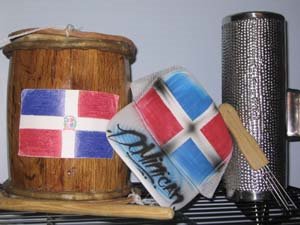
Caribbean sounds can be found all over the country. Usually at the same time in one place, only from different directions. Together, the music is characterized by a volume that is unparalleled anywhere in the world. Typically Dominican is the merengue, a style of music that was created here. There is also salsa, bachata, modern music styles such as Dembow and Regueton.
The Creole cuisine is widely praised, the desserts are what the name says: sweet, very sweet. This shows the influence of a country with sugar cane cultivation. Today they are particularly known for their cocoa cultivation. Organically grown cocoa is highly valued worldwide.